December 1, 2025
9 min
Fragrance
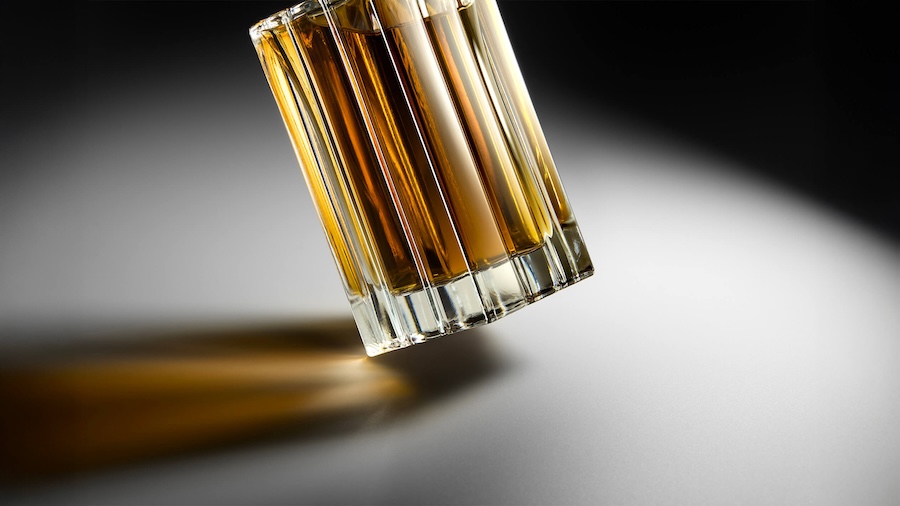
In luxury perfumery, the answer often lies in a detail that seems simple at first glance: the glass finish. Satin, lacquered or blown, each treatment alters the way light moves, how the object feels, its visual density and the perception of the gesture.
Behind these visual effects lies a more technical reality: complex processes, manufacturing constraints and choices that influence both the identity of the fragrance and the durability of the packaging.
Understanding these finishes means understanding how a premium perfume bottle is built, through a carefully calibrated balance between aesthetics, industrial feasibility and sensory narrative.
Key takeaways:
The first impression drives the purchase decision. The glass finish immediately influences how the fragrance is perceived.
It acts as a visual and tactile language:
The finish becomes the first vector of emotion, even before the bottle design. It guides the eye, controls the light and prepares the gesture.
Every perfume is built on a narrative: top notes, memory, signature. The glass finish translates that narrative into material expression.
For packaging teams, the challenge is to make the fragrance’s personality visible before the bottle is even opened.
Brands evolve in a crowded landscape where visual codes converge.
The glass finish becomes a strategic lever for differentiation.
It allows teams to:
On both retail shelves and online, the surface finish is often what captures the eye.
Brands must now integrate stricter requirements: recyclability, reduced coatings, low-impact paints and compatibility with refill systems.
The glass finish plays a central role:
Satin glass diffuses light instead of reflecting it. This controlled opalescence creates a soft, subtly blurred aesthetic that evokes delicacy and purity.
The tactile sensation is key: less cold than polished glass, satin surfaces offer a silky, velvety feel appreciated in clean, sensory or feminine universes.
Two main methods deliver consistent and durable satin finishes.
This controlled acid treatment provides:
Ideal for simple geometries and global ranges requiring consistency.
Micro-abrasion of the surface produces:
This is well suited for limited editions or expressive artistic bottles.
Lacquered glass is a hallmark of luxury perfumery. Depending on technique, it can express couture intensity, masculine strength, timeless elegance or minimalist precision.
It is often used to create or reinforce a brand’s visual identity through a signature color.
Producing stable lacquered finishes at scale requires precise coordination.
Application of a paint layer on the outside of the bottle, followed by a protective varnish adapted to the intended use (glossy, matte, soft-touch).
External lacquering is:
The paint is applied inside the bottle, creating a coloration encapsulated within the glass wall.
The colored layer is applied only to specific areas of the bottle. This selective lacquering technique:
Depending on the brand’s positioning and usage requirements, different varnishes can be applied as a finishing layer:
Blown glass stands out for its ability to create freer, more organic shapes where traditional molding imposes strict constraints.
Every volume, every thickness and every curve is born from a breath, a gesture or a precise mechanical control, giving the bottle an almost sculptural presence.
The perception is instantly different: variations in the material capture light in a richer, deeper way. The touch reveals more vibrant walls, sometimes asymmetrical, reinforcing the artistic and distinctive character of the bottle.
Three main approaches make it possible to create a blown glass bottle, each offering a different level of expression and technical control.
Performed directly by the artisan, this process offers:
It is the preferred technique for very limited editions and haute parfumerie collections where the object must express a unique character.
Air is injected into a mold through an assisted mechanism, ensuring:
This approach is well suited for premium lines produced in intermediate series.
Fully mechanized, this process allows:
It is the reference method for signature bottles that require large production volumes without sacrificing sophistication.
| Criteria | Satin Glass | Lacquered Glass | Blown Glass |
| Visual expression | Soft and velvety | Strong and colorful | Sculptural and expressive |
| Fragrance perception | Natural and intimate | Bold and statement-driven | Artistic and heritage-oriented |
| Tactile experience | Silky and soft | Smooth with optional soft-touch | Organic and artisanal |
| Shape compatibility | Simple forms | Controlled reliefs | Complex or organic shapes |
| Recyclability | Very good | Variable by coating | Very good |
| Refill compatibility | Yes | Yes with layer control | Yes depending on weight and form |
| Typical uses | Soft feminine ranges | Couture or masculine signatures | Prestige or limited editions |
Choosing between satin, lacquered or blown glass is more than selecting a finish. It defines how a fragrance exists.
Each glass finish shapes emotion, directs light, influences perception and builds the sensory identity of the premium perfume bottle.
In a market balancing creativity, technical feasibility and sustainability, the finish becomes a strategic choice. The right decision aligns the brand’s creative vision with the fragrance’s intention and the realities of industrial development.